Changes in memory, attention, or thinking can feel unsettling. A thoughtful assessment can help explore what you’re experiencing, how it affects daily life, and what may be contributing—without jumping to conclusions.
Memory and cognitive concerns can show up in different ways, from losing track of conversations to finding familiar tasks harder than before. Stress, sleep problems, mood changes, medications, and medical conditions can also affect thinking. An assessment considers your symptoms, health history, and the wider picture rather than relying on one test alone.

You don’t need to know the cause before reaching out. Consider an assessment when changes in memory or thinking are persistent or begin affecting everyday life.
Forgetting important appointments or conversations, or losing things more often than usual.
Finding it harder to follow conversations, stay focused, or organize everyday tasks.
Having increasing difficulty finding familiar words or keeping your train of thought.
Whatever the findings, an assessment can help you and your clinician discuss informed next steps. Depending on your needs, these may include:
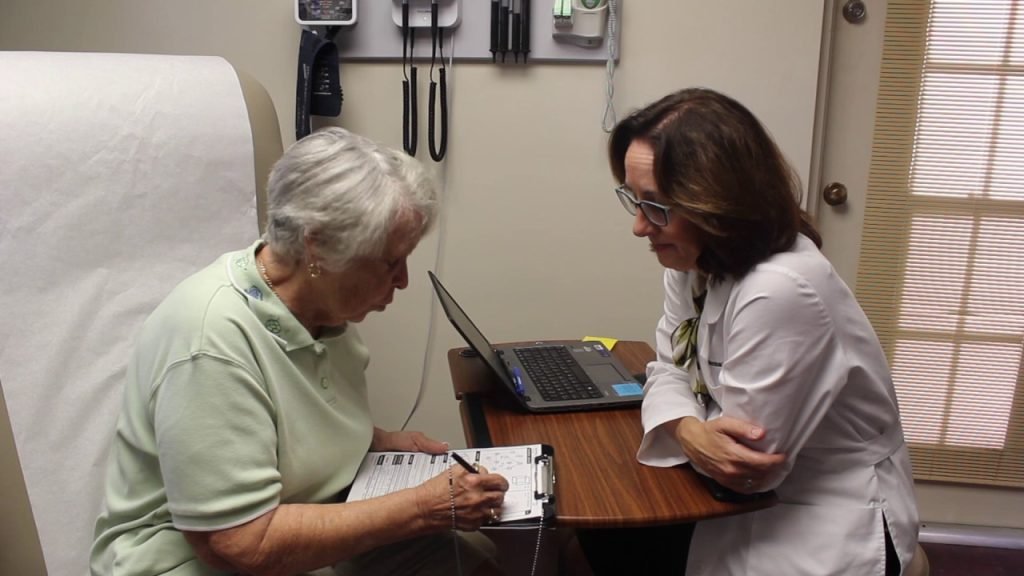
our clinician will decide which parts of an assessment are appropriate for you. These steps describe a general approach, not a guaranteed testing protocol.
Discuss the changes you’ve noticed and how they affect your daily life.
Consider your health history, medications, and when the changes began.
Your clinician may use cognitive screening and explore other possible contributing factors.
Review the findings together and discuss any appropriate follow-up or referrals.
If changes in memory or thinking are concerning you or someone you care about, start with a conversation. Our team can help you explore the appropriate next step.